The question of how to increase website traffic never gets old.
Blogger, business owner, or seasoned digital marketing pro – you will always be chasing down new untapped traffic sources and trying out new traffic strategies.
Rightfully so since search engines and social media networks constantly change their algorithms.
So how to drive traffic in 2026? What’s working and what’s not? You’ll get answers to these questions and more from this post.
Table of Contents:
- Content Marketing
- SEO
- Advertising
- Email Marketing
- Social Media
- Influencer Marketing
- Online Communities
- Best Free Tools
- FAQs
How To Increase Website Traffic With Content Marketing
Content marketing is the process of creating, publishing, and distributing different types of content to reach a wider audience.
In essence, every marketing tactic that a) has to do something with content (written, visual, audio, or video) or b) isn’t outbound marketing can be characterized as content marketing.
Sounds a bit overwhelming?
Well, let’s break things down into clearer steps.
1. Create an Editorial Calendar
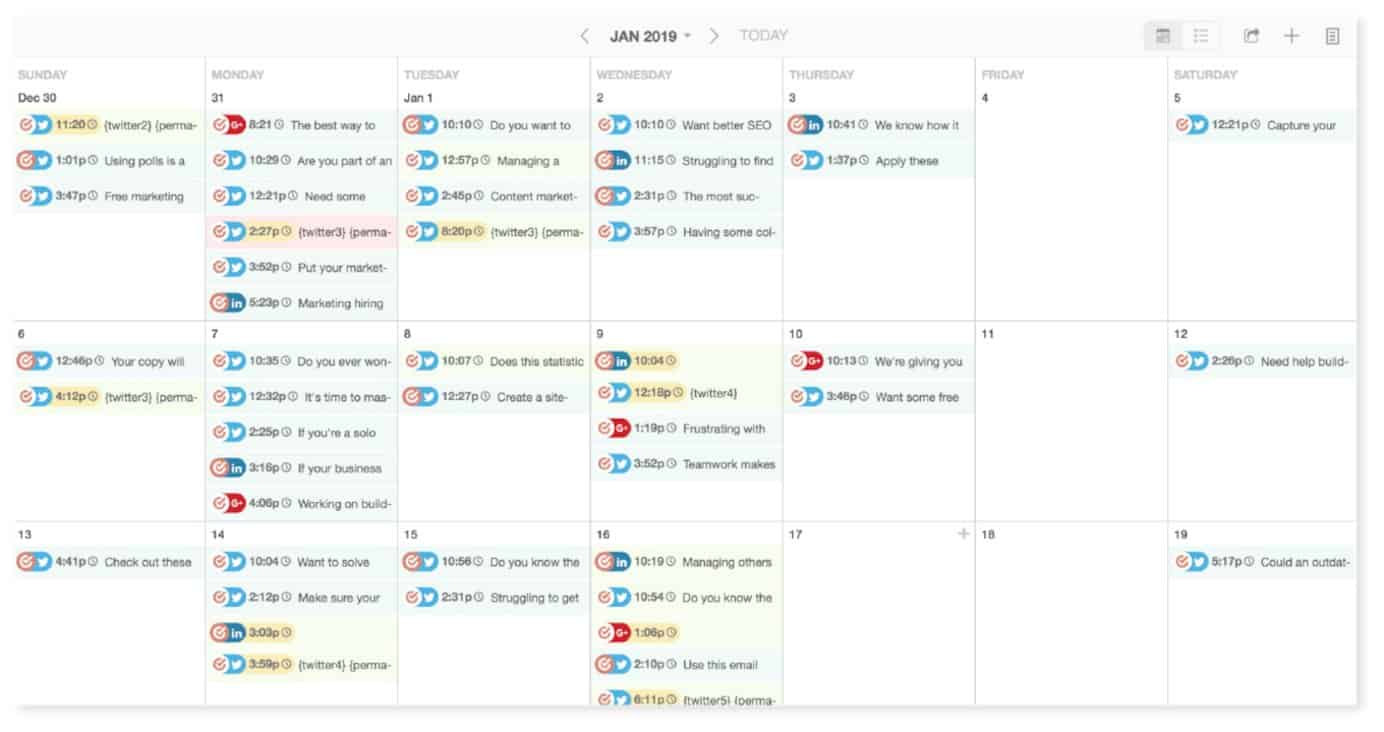
An editorial calendar is a comprehensive planner, covering all your publishing activities across different content distribution channels – your website, blog, social media, and third-party resources.
The goal of an editorial calendar is to provide a single-pane view of all your activities and keep track of progress.
2. Establish Content Writing Guidelines
Content writing guidelines help standardize the quality of content you produce. Developed as part of a website style guide, they detail:
- Content formatting requirements
- The preferred tone of voice
- Content lengths
- Image use
- Fact-checking and citing requirements
- Internal and external linking
- Editorial workflow
- SEO requirements
3. Document and Streamline Your Process
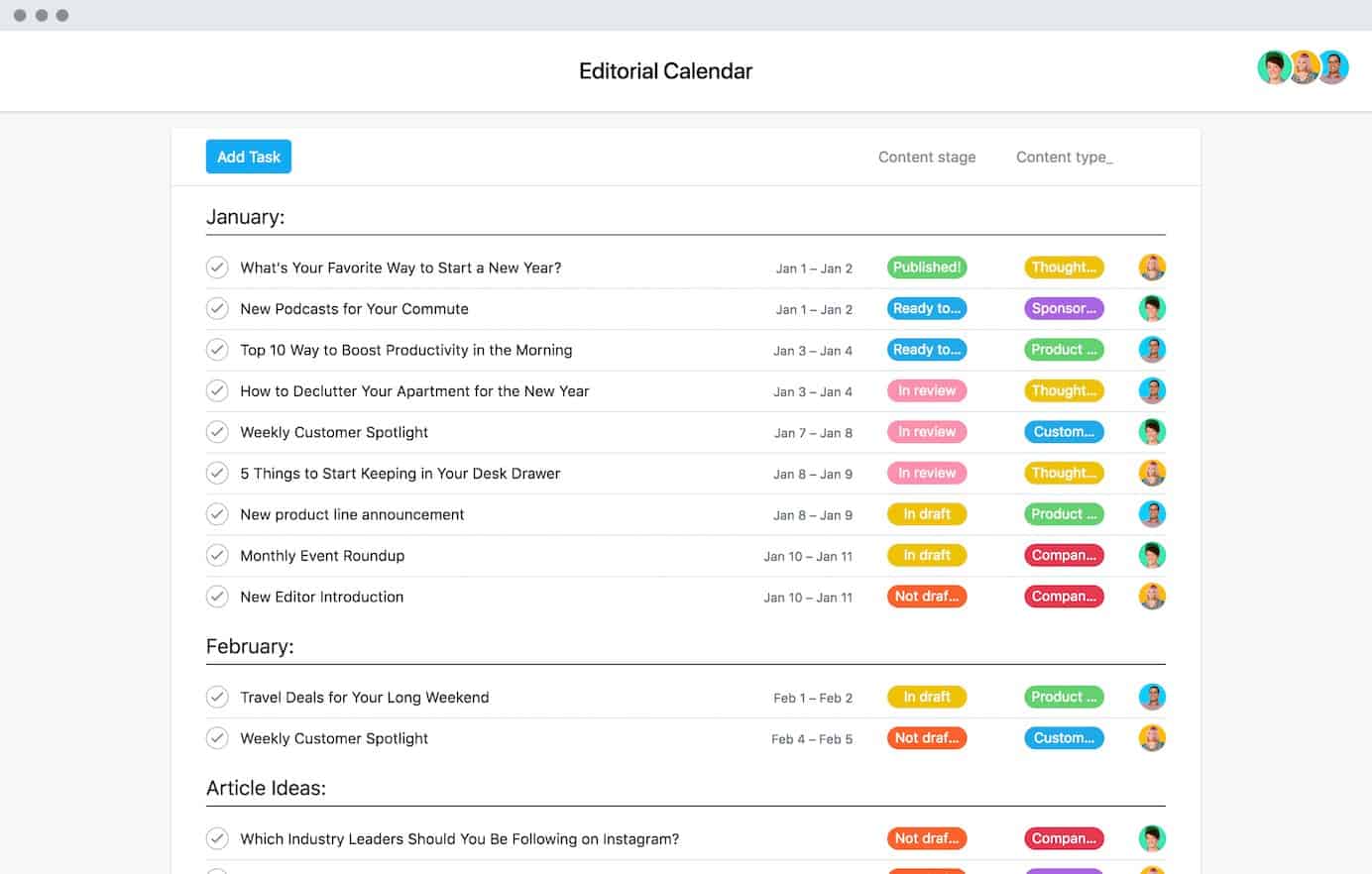
The goal of an editorial calendar and content writing guidelines is to help you standardize the content creation process. So that each writer you work with understands your expectations and produces new pieces in line with all the requirements.
These two assets set a baseline system for a documented content marketing process – a systemized and repeatable workflow for producing, editing, publishing, and distributing content.
Try these content marketing templates to get organized:
4. Create Educational Content and Tutorials
Once you set a formal system for managing the content flow and quality, it’s time to get to writing. Determine which types of content you’d want to produce based on your target audience preferences, niche, and competition.
Some of the popular types of marketing content include:
- Blog posts
- Whitepapers
- eBooks
- Case studies
- Social media posts
- Videos
- Podcasts
- Infographics
- Influencer content
- User-generated content
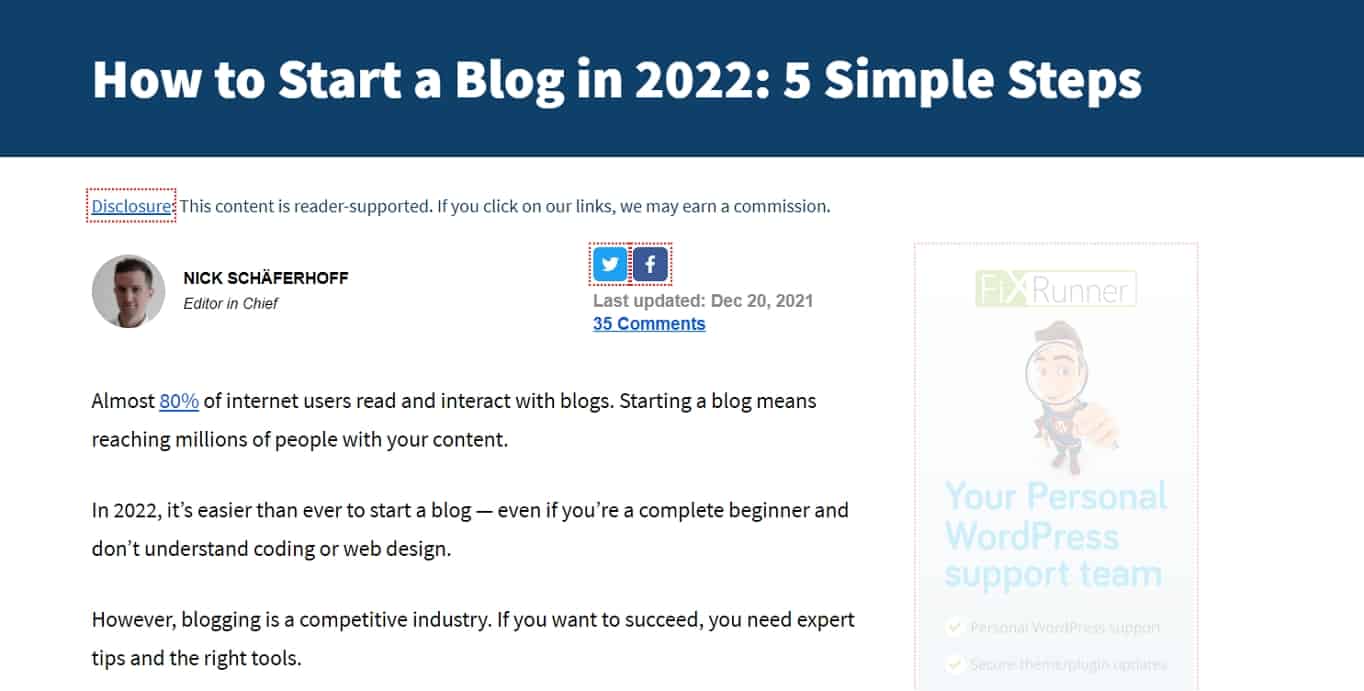
To increase website traffic, we primarily rely on long-form blog posts, educational guides, and tutorials:
5. Gather Data and Publish Reports
Getting traffic to a new website can be hard. Especially when you don’t yet have a big content team to churn new pieces daily.
So focus on quality over quantity in your early days. Go on a deep Internet dive and collect some interesting industry data, then pack it into a comprehensive report and publish it on your website.
Investing in one data-driven report pays off in many ways:
- Evergreen content: A detailed report will stay relevant for the long term and drive a consistent stream of traffic over time from different sources.
- SEO benefits: Search engines prefer authoritative content. By creating a well-researched piece, you send Google a strong signal for rankings.
- Content repurposing: Long-form content can be repurposed for sharing across different channels – social media, email marketing, guest blogging, etc. And such pieces can be adapted to other formats – audio, video, or visual content.

6. Start a Podcast
The number of podcast listeners worldwide continues to climb rapidly, surpassing 584.1 million in 2025 and projected to reach approximately 619 million by the end of 2026, on track toward an estimated 651.7 million by 2027.
The growing popularity of podcasting makes it an excellent tool for traffic generation. You can add links to the relevant content you’ve mentioned in the podcast description, plus advertise your website name using voice to increase awareness around it.
7. Start a YouTube Channel
YouTube continues to dominate the video landscape, attracting more than 2.7 billion monthly active users worldwide and logging over 1 billion hours of video watched every single day.
By starting a YouTube channel, you can tap into that massive viewing habit and direct some of the views to your website.
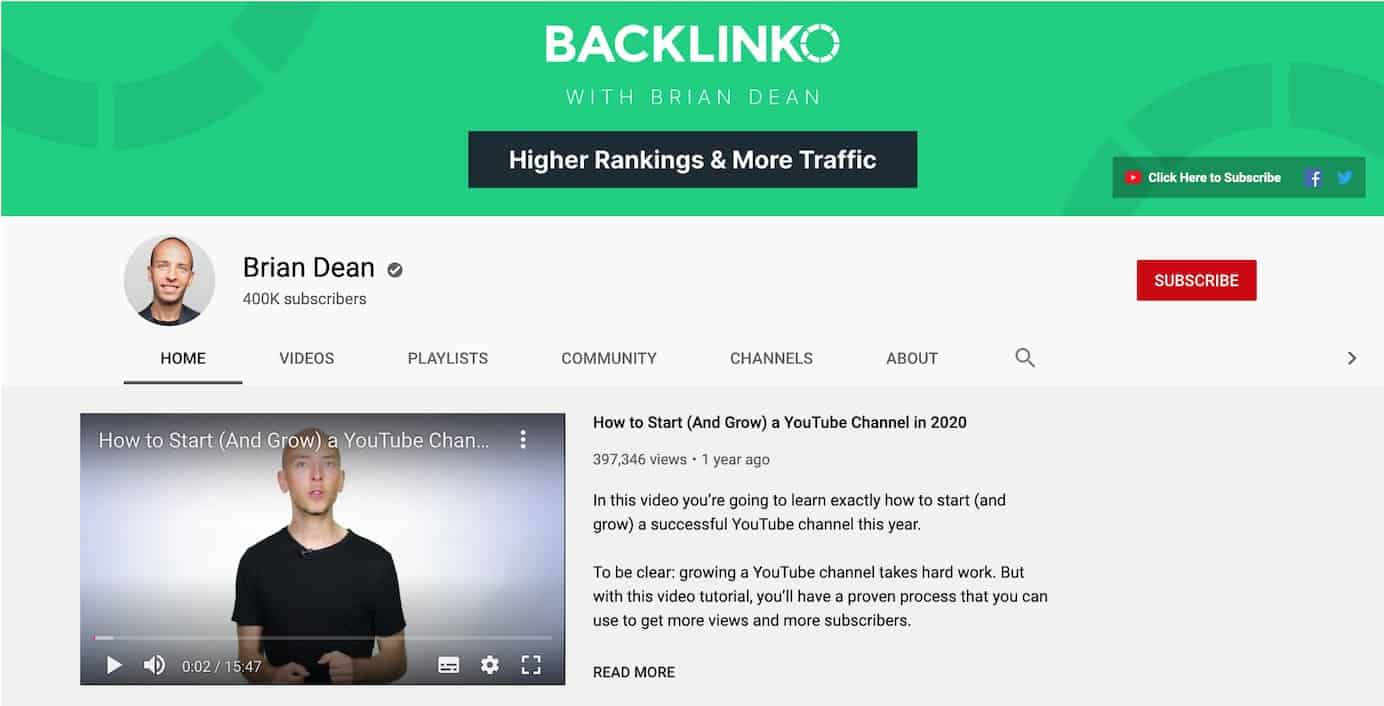
For example, Brian Dean from Backlinko built a popular blog and a complimentary YouTube channel that he used to promote his content offerings (guides, online courses, and other website assets). This strategy of pairing a blog with a YouTube channel remains one of the most effective ways to cross-promote content.
8. Repurpose Content
Great blog posts have a long shelf-life. A data-backed post, published on your website can be later repurposed into:
- A series of social media posts
- Downloadable charts, graphics, PDFs
- The audio version shared on third-party platforms
- Narrated or screencast video
- Email marketing sequence
- Syndicated content for guest posting
- Short-form clips for TikTok, Instagram Reels, or YouTube Shorts
9. Write Guest Posts and Seek Media Mentions
To reach a wider audience and drive referral traffic back to your website, you should also do blogging on other websites.
The easiest way to find guest posting opportunities is to use in-url:write-for-us + [niche] or inurl:/guest-post/ + [niche] query on Google.
Both can help you find websites that accept guest submissions. Or look at some popular media publishers in your niche and see if they are accepting pitches or opinion pieces from authors.
You can also go after media opportunities by connecting with journalists looking for sources. Services like Featured connect experts with journalists working on stories relevant to your niche. Respond to queries with helpful, detailed answers to earn press mentions and valuable backlinks.
10. Create a Linkable Asset
A linkable asset is an in-depth piece of content, strategically optimized to drive backlinks. For example:
- An industry report or outlook
- Statistics round-up
- In-depth case study or tutorial
- Original research
- Storytelling based around unique data
- Interview series
- Free online tools
In essence, a linkable asset is any unique piece of content that shares a bunch of valuable insights others may want to reference in their writing.
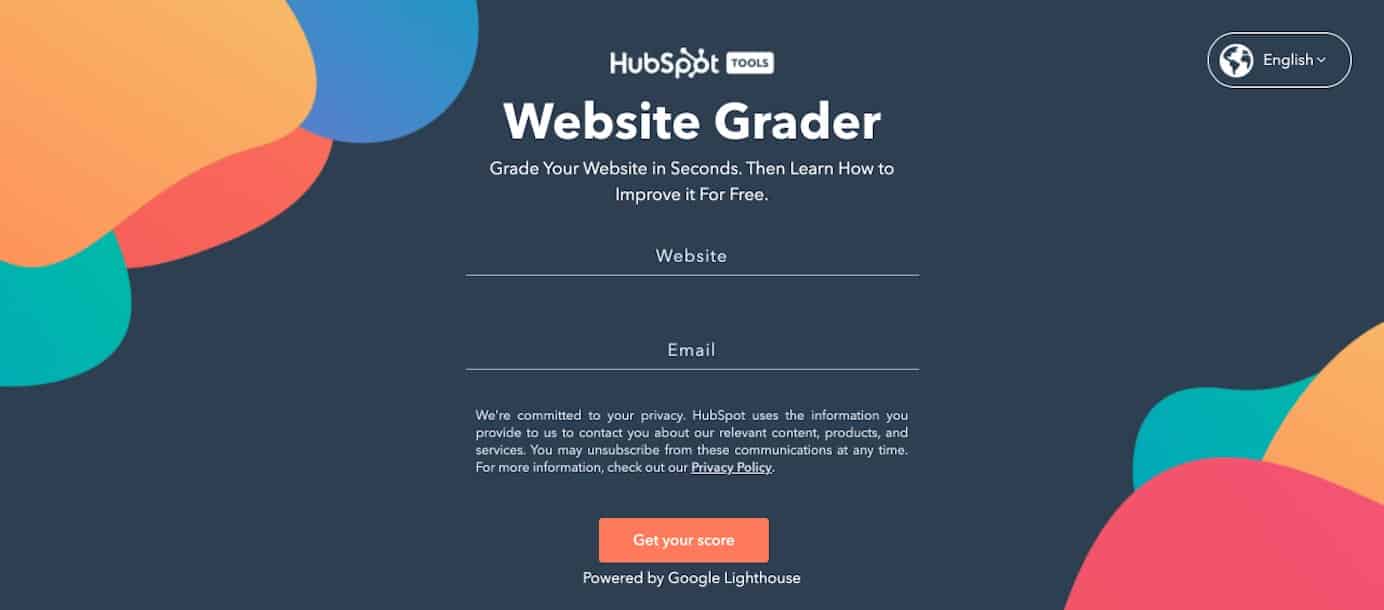
HubSpot, for instance, offers a free website grader tool that anyone can use. Since it’s genuinely useful, a lot of people naturally link back to it from their blogs and promote it on social media.
11. Refresh and Update Existing Content
Publishing new content is important, but don’t neglect the content you’ve already published. Search engines reward freshness, and a well-timed content refresh can boost your rankings significantly.
Make it a habit to revisit your top-performing posts every 6-12 months and:
- Update outdated statistics, examples, and screenshots
- Add new sections to cover angles you originally missed
- Fix broken links and replace dead resources
- Improve the meta title and meta description based on current click-through data
- Add new internal links to recently published content on your site
A refreshed post with an updated publish date can see a noticeable jump in organic traffic within days. This is one of the highest-ROI activities in content marketing because you’re building on existing authority rather than starting from scratch.
How To Increase Website Traffic Using SEO
If you are wondering how to increase website traffic organically, SEO (search engine optimization) is your best bet.
Here’s how to get started with SEO in 2026.
1. Perform a Technical Audit
A technical audit is the first step to creating an on-page SEO strategy for your website. The purpose of your audit is to find gaps in your website’s performance and structure.
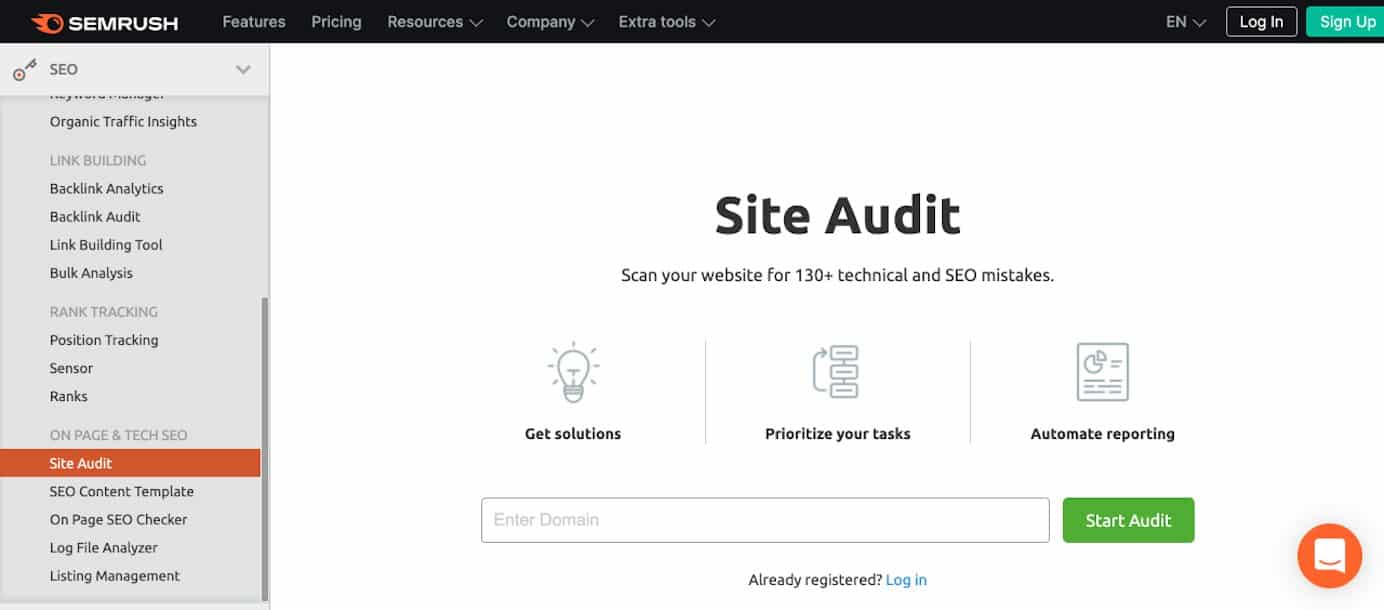
Helpful tools for technical SEO audits:
2. Make Technical Improvements
SEO audit tools help you locate areas of improvement for your website in terms of page loading speed, website usability, navigation, and coding.
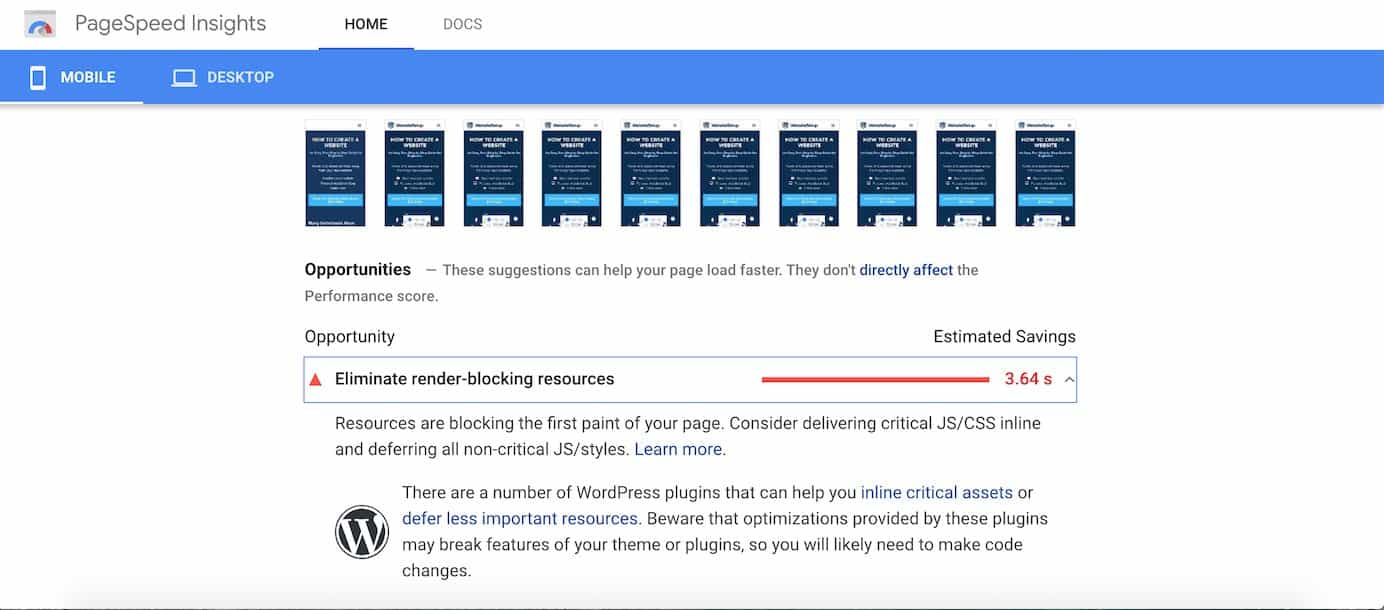
Make all the recommended fixes to win some bonus points from Google.
3. Use Keyword Research
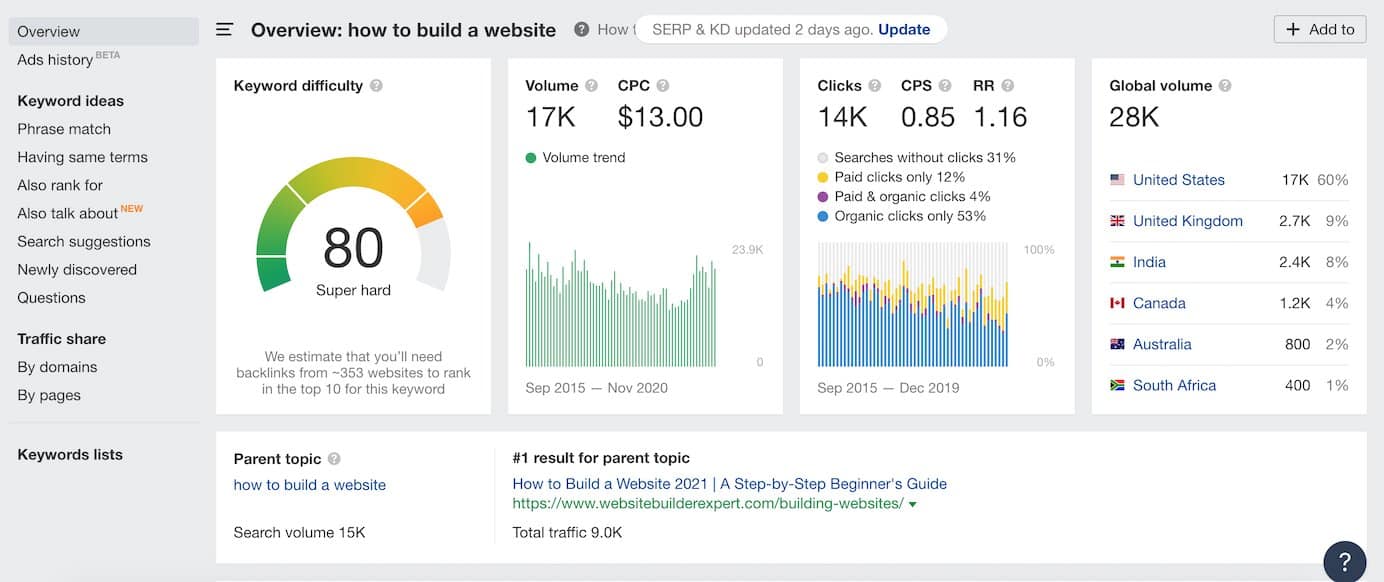
Keyword research helps you determine which search terms your audience uses to find information and develop content around them.
When analyzing keywords, pay attention to monthly search volumes and competition numbers. You need to find low competition/high search volume keywords and incorporate them into your content. Doing so is the best way to rank a new website.
Useful keyword research tools:
4. Align Content to Match Search Intent
People hit up the web with a specific purpose in mind: to find informational, commercial, transactional, or navigational content.
- Informational search intent: “how to get something done”
- Commercial search intent: “product type X”
- Transactional search intent: “flights from X to Y”
- Navigational search intent: “access website X”
To rank well, your content has to match the user’s intent and help them act on their objective.
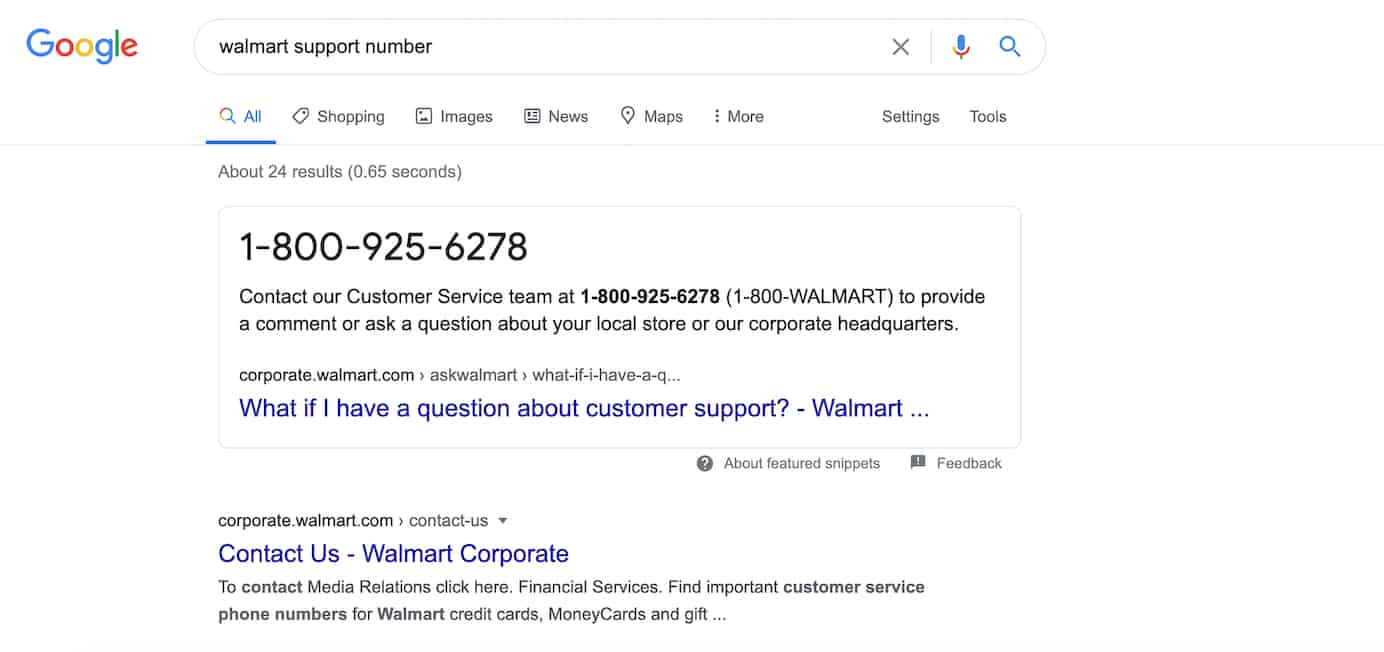
When using this query, the person clearly wants to get the phone number, not purchase goods from Walmart.
5. Use Internal Links
Internal links serve several purposes:
- Improve on-site navigation and content discoverability
- Boost time on site and pages per visit metrics
- Indicate semantic connection between topics
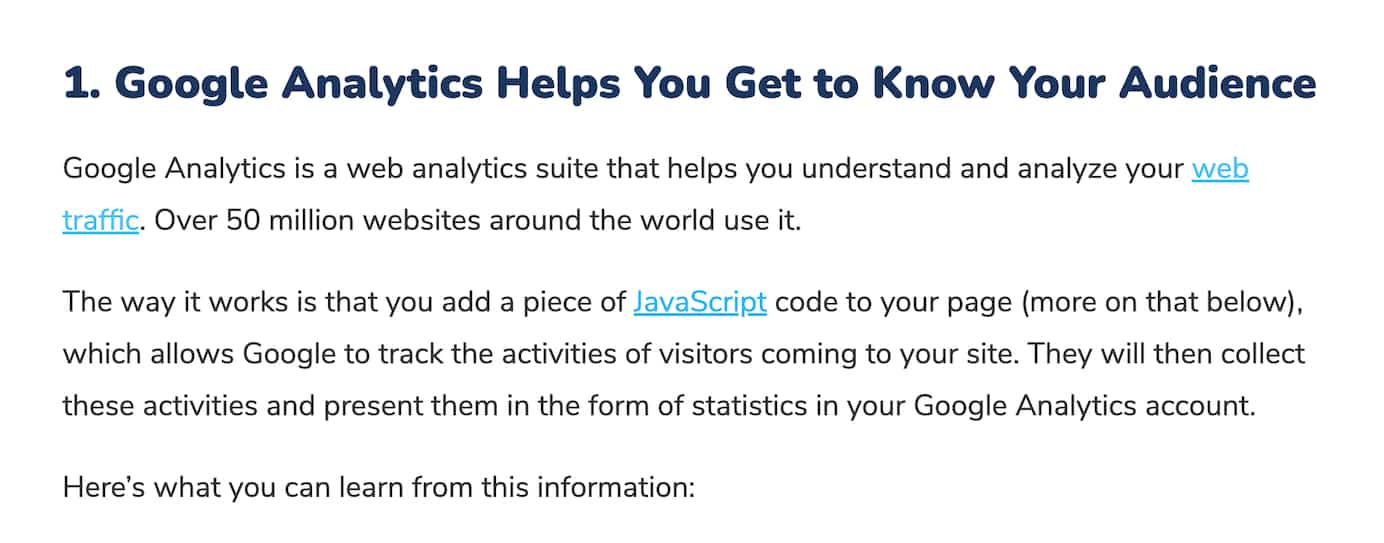
Here’s how we organize helpful links in one of our blog posts.
Adding internal hyperlinks to other relevant content on your website is an SEO must-do for more organic traffic. Aim for at least 2-3 internal links per post, and use descriptive anchor text that tells readers (and search engines) what the linked page is about.
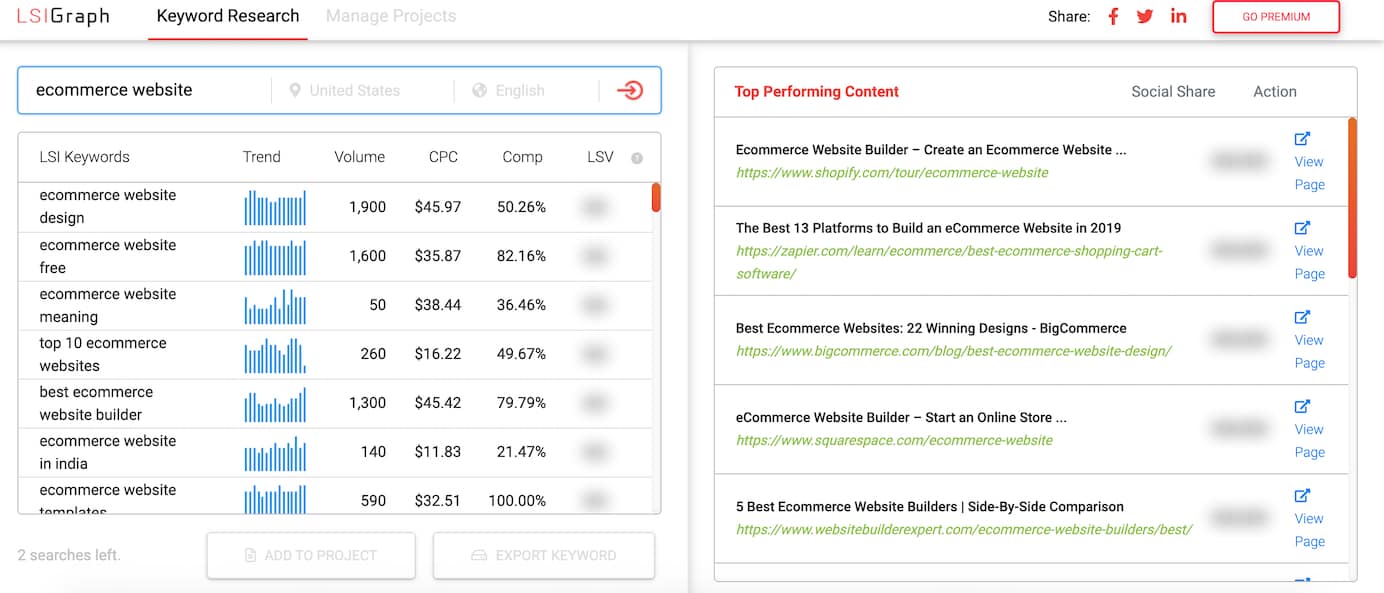
6. Use Long-Tail Keywords
Long-tail keywords better describe user intent. When using such multi-word queries, users have a clear agenda in mind. Once they find a good resource that provides the answer, they are likely to stick around for longer.
One blog post can rank for a range of low volume, less competitive long-tail keywords that together bring more search traffic than a top-3 ranking for a more competitive keyword.
You can find long-tail keywords with LSI Graph for free:
7. Optimize for Rich Snippets
Google Rich Snippets (also called Featured Snippets) sit atop all other search results and attract a ton of clicks.
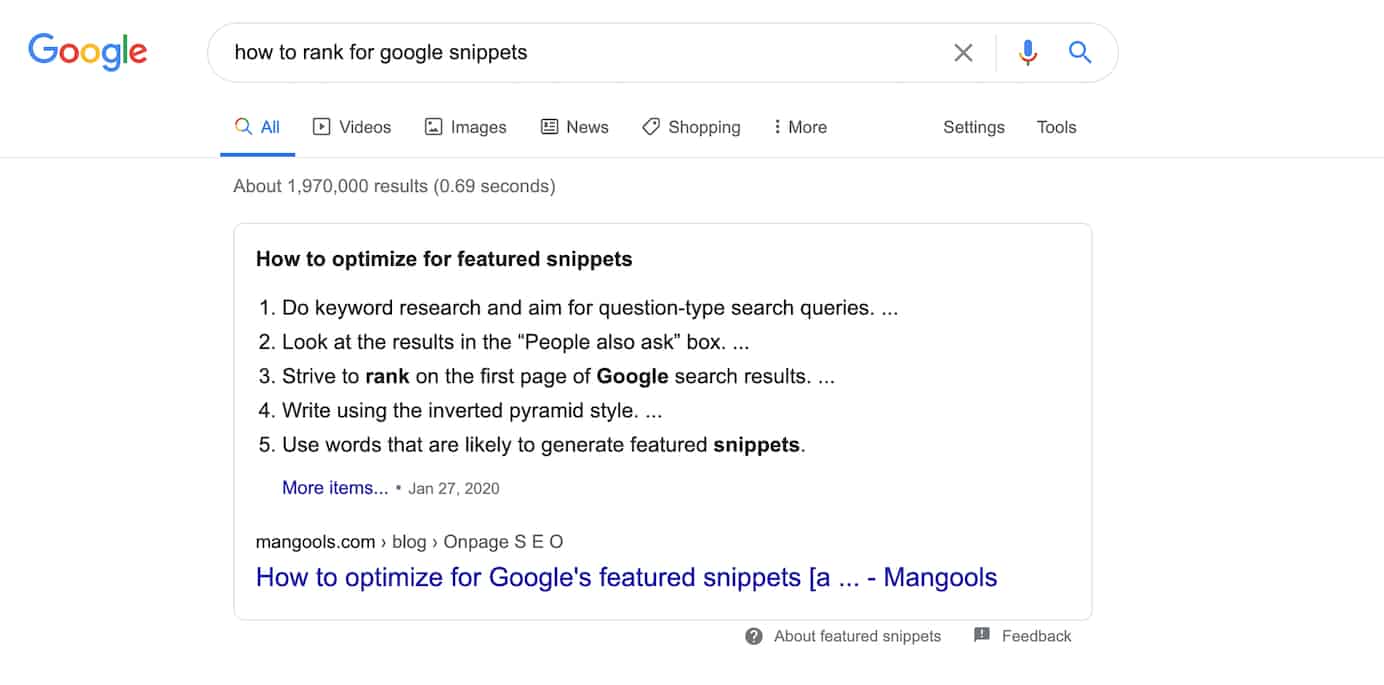
To rank for them, look into question-styled queries and provide a concise, well-structured answer. Use clear headings, numbered lists, or short paragraphs that Google can easily pull into a snippet.
8. Answer Questions People Also Ask
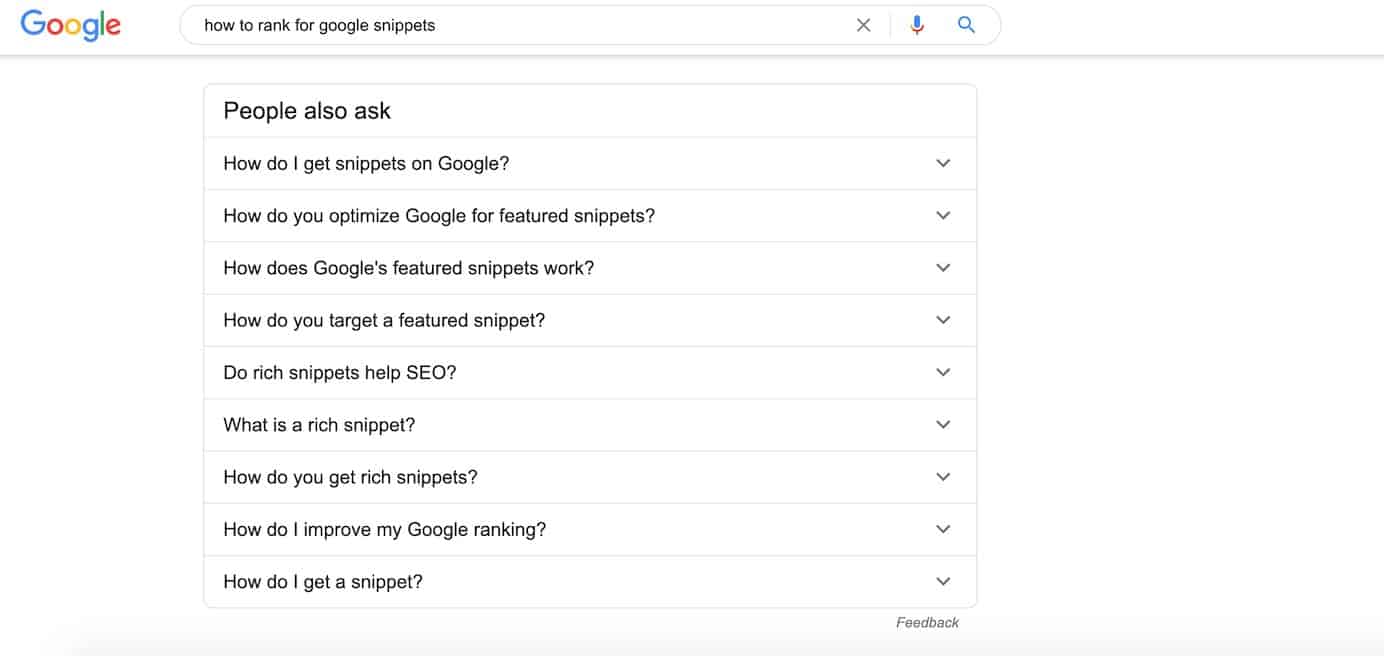
Apart from using tools for keyword research, you should also analyze SERPs for different queries. In particular, look at the “People Also Ask” box to find more long-tail keywords and shape your content strategy around them.
9. Optimize for AI Overviews and Search Generative Experience
In 2026, Google’s AI Overviews (formerly called Search Generative Experience or SGE) appear at the top of many search results, providing AI-generated summaries that pull information from multiple sources.
To increase your chances of being cited in AI Overviews:
- Write clear, direct answers to specific questions within your content
- Use structured data and headings so AI can easily parse your information
- Cite credible sources and include original data or insights that AI models are more likely to reference
- Build topical authority by publishing multiple in-depth articles on related subjects
While AI Overviews can reduce clicks for some queries, being cited as a source within them can drive highly qualified traffic to your site.
10. Improve Page Speed and Core Web Vitals
Page speed is a confirmed Google ranking factor, and slow-loading pages lead to higher bounce rates. Google’s Core Web Vitals measure three key aspects of user experience:
- Largest Contentful Paint (LCP): How quickly the main content loads (aim for under 2.5 seconds)
- Interaction to Next Paint (INP): How quickly the page responds to user interactions (aim for under 200 milliseconds)
- Cumulative Layout Shift (CLS): How stable the page layout is as it loads (aim for under 0.1)
To improve your page speed:
- Compress and optimize images (use WebP or AVIF formats)
- Minimize the use of heavy plugins and third-party scripts
- Enable browser caching and use a CDN (Content Delivery Network)
- Implement lazy loading for images and videos below the fold
Use Google PageSpeed Insights to test your site and get specific recommendations.
11. Make Your Site Mobile-Friendly
More than half of all web traffic now comes from mobile devices. Google uses mobile-first indexing, meaning it primarily looks at the mobile version of your site to determine rankings.
Make sure your website:
- Uses a responsive design that adapts to different screen sizes
- Has tap-friendly buttons and navigation
- Loads quickly on mobile connections
- Avoids intrusive pop-ups that block content on small screens
You can test your site’s mobile-friendliness using Google Search Console’s mobile usability report.
12. Implement Schema Markup
Schema markup is structured data you add to your website’s code to help search engines better understand your content. While it won’t directly boost your rankings, it can significantly improve how your pages appear in search results.
With the right schema, your listings can display:
- Star ratings and review counts
- FAQ accordions directly in the SERP
- How-to steps, recipe details, or event information
- Breadcrumb navigation paths
These enhanced results (called “rich results”) stand out visually and tend to get higher click-through rates. Use Google’s Rich Results Test to check if your pages are eligible.
How To Increase Website Traffic Through Advertising
Here’s how to increase website traffic fast: buy ads.
When configured properly, pay-per-click (PPC) ads bring in a stream of relevant traffic for a low cost.
1. Facebook Ads
Register a business account on Facebook Ad Manager to promote your website to the platform’s audiences. You can start with just $5/day and run different types of ads such as:
- Image ads
- Video ads
- Retargeting ads
- Lead Generation Ads
- and more!
2. Instagram Ads
Instagram lets you run ads in Stories, in the users’ newsfeed, Reels, and on the Explore page. Amazing visuals are the key to a winning Instagram ad.
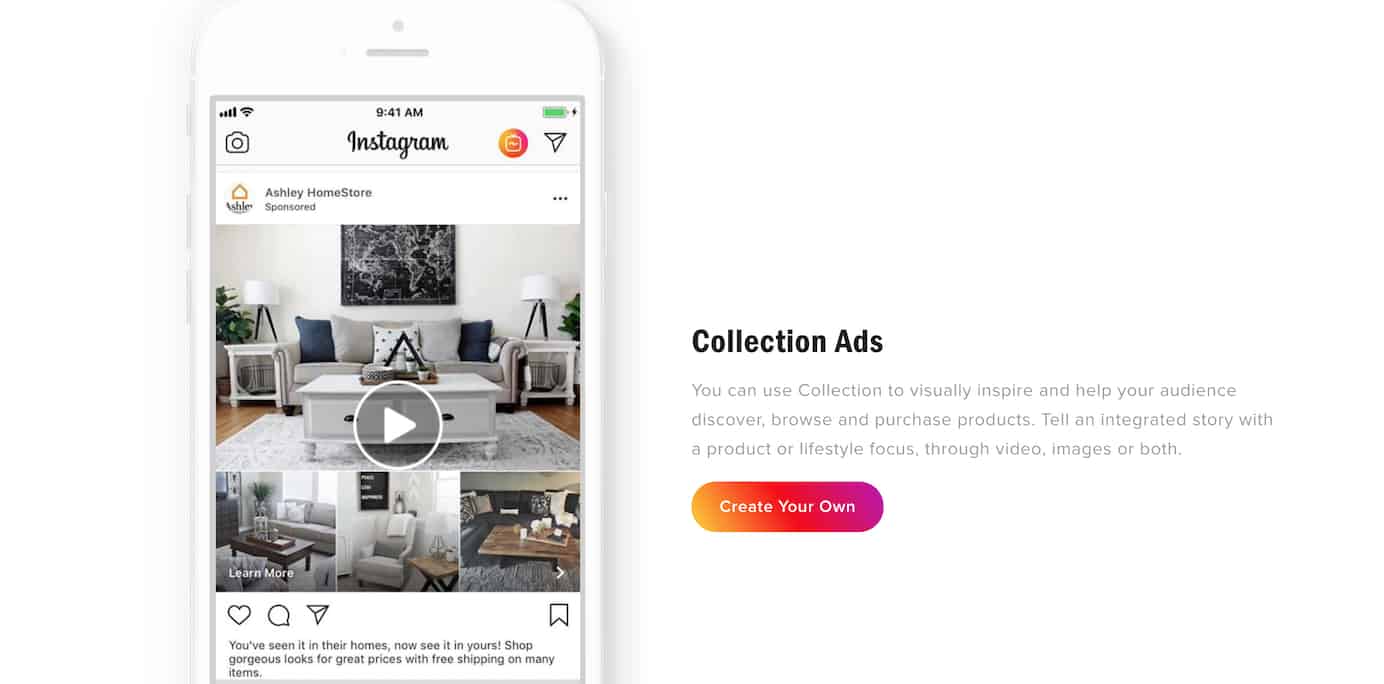
So use them to promote your products, rather than just content.
3. Pinterest Ads
Pinterest is a great place to promote both your products and content. Pinterest users tend to be in a discovery and planning mindset, which makes them more receptive to clicking through to websites.
The supported ad formats include:
- Sponsored image and video pins
- Carousel pins and ads
- Shopping ads
- Collection pins and ads

4. Google Ads
For those wondering how to increase website traffic and sales, Google Ads are the universal answer.
The platform has the most comprehensive range of ad tools, targeting, and analytics capabilities. Plus, Google lets you run a range of cross-channel ad campaigns from a single interface:
- Search campaigns
- Video campaigns
- Shopping campaigns
- Display campaigns
- Performance Max campaigns
- App promo campaigns
5. X (Twitter) Ads
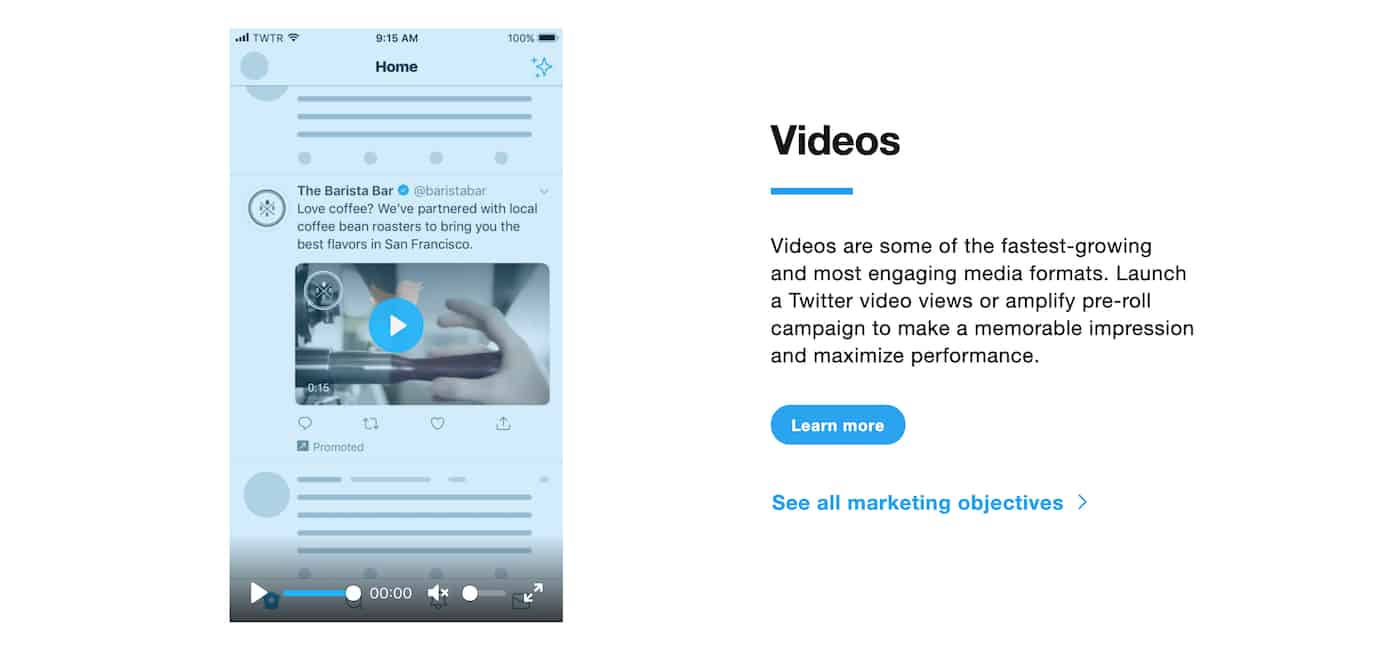
X ads (formerly Twitter ads) are a cost-effective way to promote your latest posts to more people. You can purchase promoted posts, video ads, or conversation cards to distribute your content to a specified audience and monitor all clicks and interactions.
6. Reddit Ads
Reddit is dubbed the front page of the Internet since this community gave a head-start to a lot of popular memes, pop culture trends, and even companies.
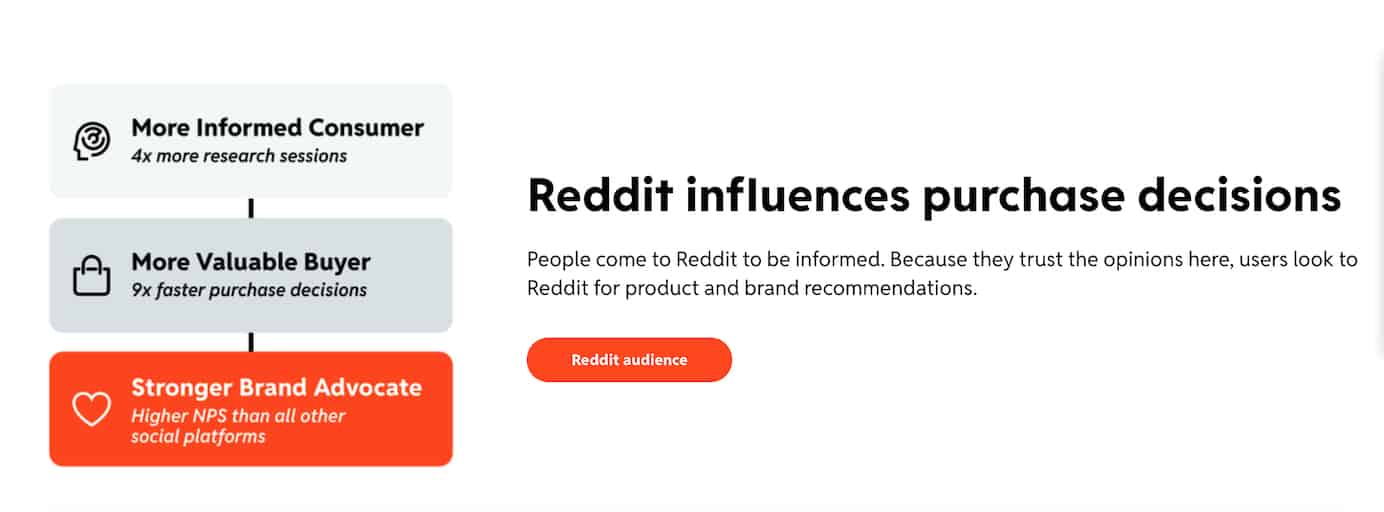
But the local crowd has a low tolerance for blatant self-promotion. Reddit ads are a good alternative to building a presence on this platform.
7. Optimize Business Listings for Local Traffic
If your website serves a local audience or a specific geographic area, business listings can be a significant source of traffic. Your Google Business Profile is the most important – an optimized listing can help you appear in Google Maps and local search results.
Other important directories include Facebook, Yelp, Bing Places, and industry-specific directories relevant to your niche.
To optimize your listings:
- Fill out every available section completely
- Include your business category and accurate contact information
- Add high-quality photos
- Collect and respond to customer reviews
- Keep your information consistent across all listings
When someone searches for a service or product in your area, an optimized listing can place your website link right at the top of their results.
How To Increase Website Traffic With Email Marketing
Email is a channel where you can have a private conversation with your website visitors. Unlike public channels, with email, you have full control over the reader’s attention. And this makes email super valuable ROI-wise.
Email marketing continues to deliver exceptional returns, generating an average of $36 to $42 for every dollar spent – making it one of the most cost-effective digital marketing channels available.
1. Start a Newsletter
A website newsletter is the first step to building and growing your email list.
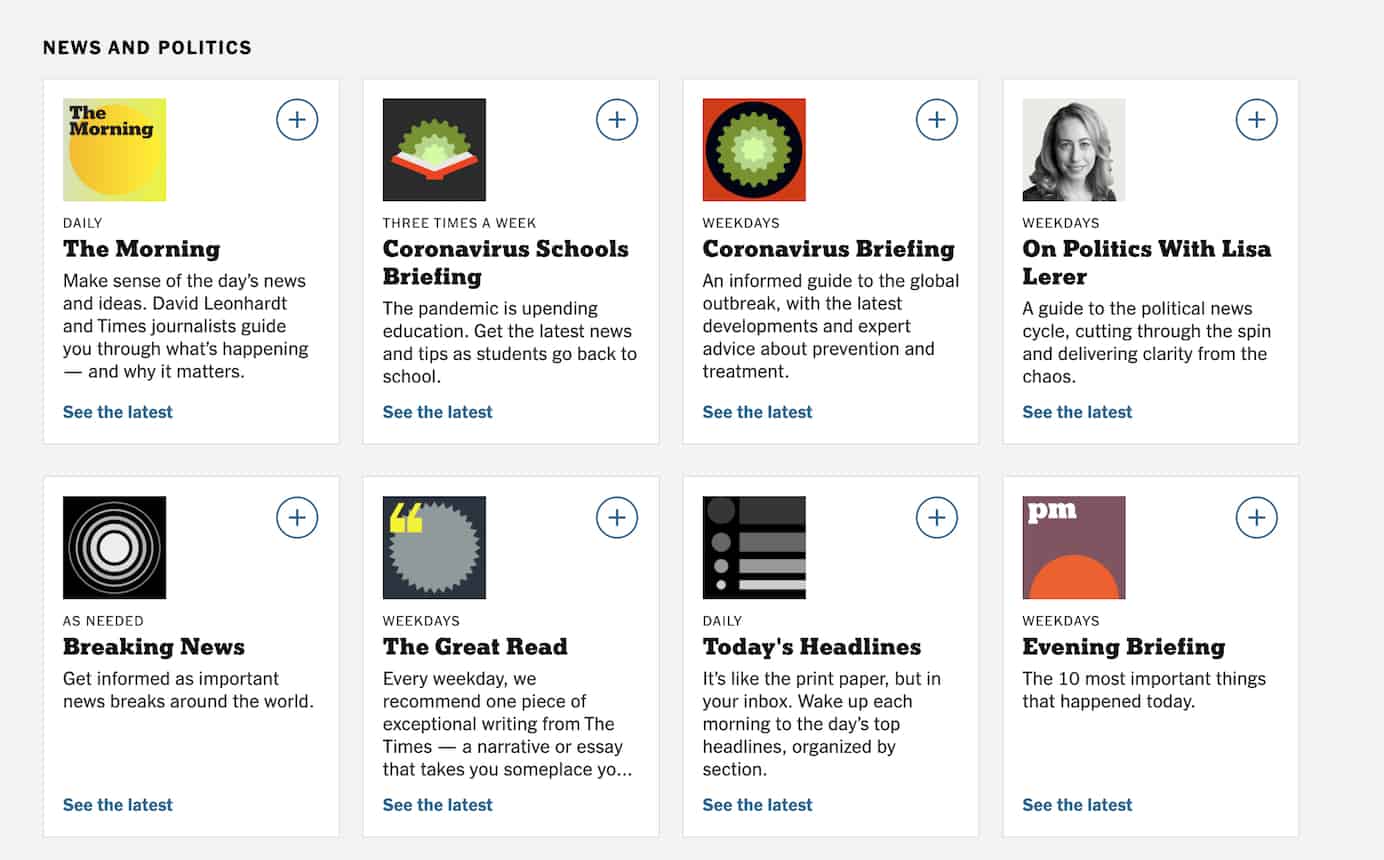
Add an on-site email form on your website, collect emails from your readers, and send them updates whenever you publish new content (or on a regular schedule that works for your audience).
2. Create a Welcome Sequence
A newsletter welcome sequence is a quick way of introducing your readers to your brand, plus showcasing some of the best content on your website.
A typical welcome sequence includes:
- Subscription confirmation email
- Introductory email
- Personalized follow-ups

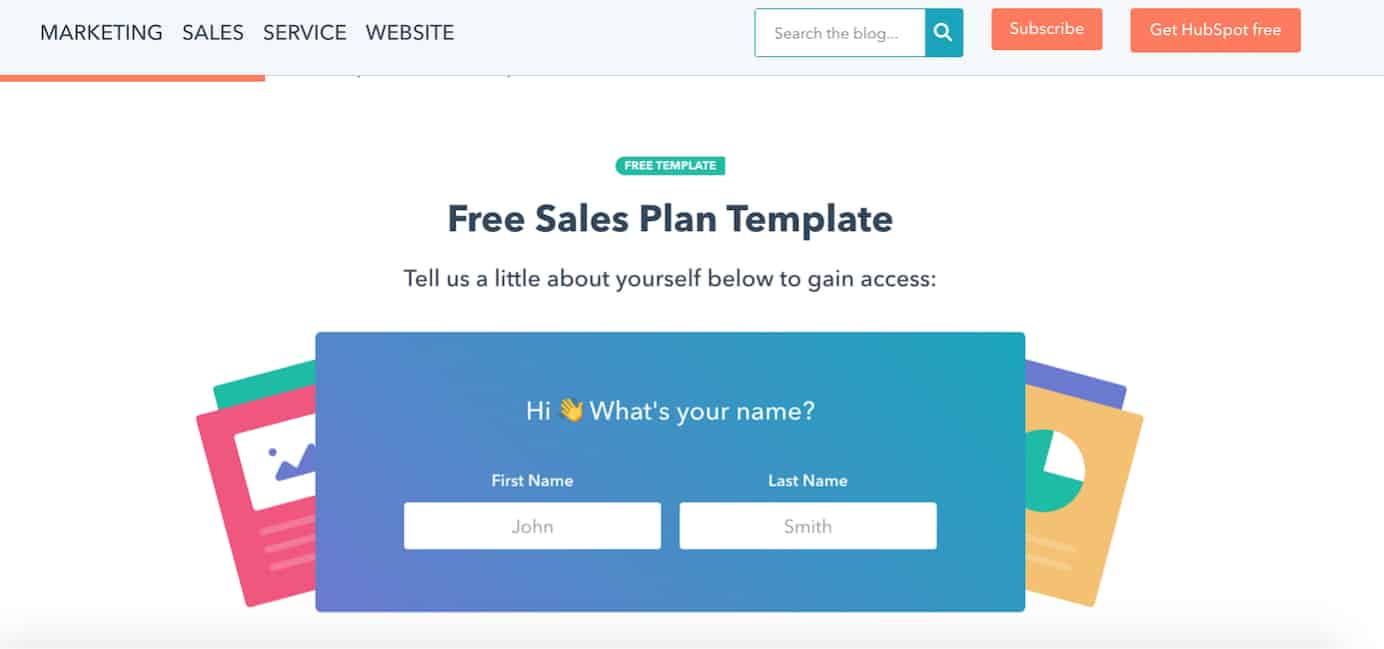
3. Design Content Upgrades
Content upgrades are complementary ‘add-ons’ to your on-site content that you give away in exchange for a user’s email. It’s a highly effective way to grow your email list.
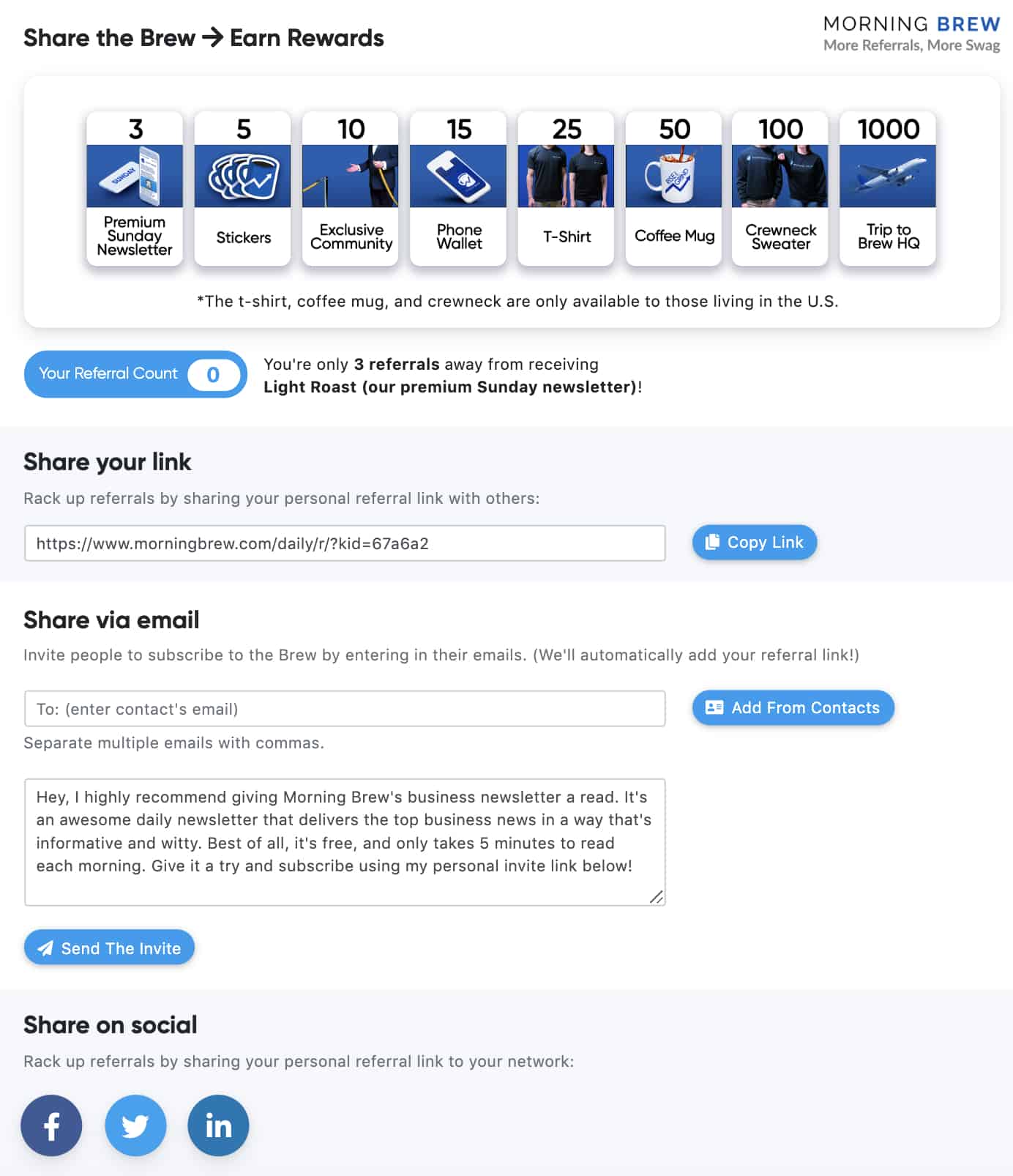
4. Create an Email Referral Program
Reward your readers for spreading the good word on your behalf. With an email referral program, you can tap into the collective promotional power of your audience to increase newsletter sign-ups, and then – website traffic.
5. Personalize and Automate
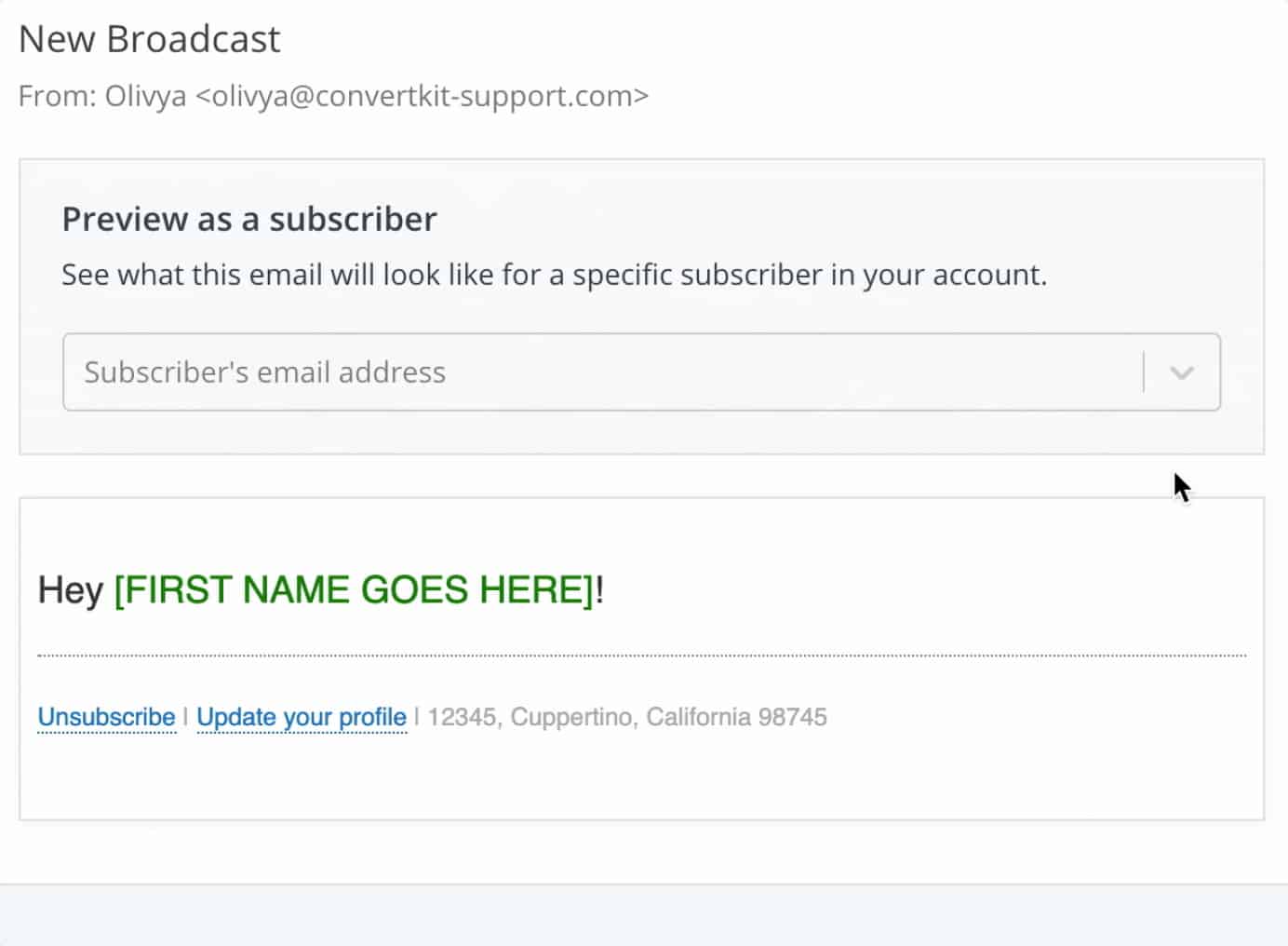
Effective email marketing is all about personalization. You need to strategically segment your audiences and create automated email sequences for them around their interests and needs if you want to maintain a steady stream of traffic.
The following email marketing platforms can help do that:
- GetResponse
- Drip
- Kit (formerly ConvertKit)
How To Increase Website Traffic Through Social Media Marketing
You can run ads on social media platforms or you can promote your high-quality content for free to an organic follower base you’ve built.
1. How To Increase Website Traffic Through Facebook
The best way to increase website traffic with Facebook is to start a Facebook community in your niche and curate relevant content from your blog.
Also, you can:
- Post updates on your Facebook business page
- Share links in Stories
- Publish announcements on your personal profile
- Go live with Facebook Live to discuss topics and link to your content
2. How To Increase Website Traffic Through X (Twitter)
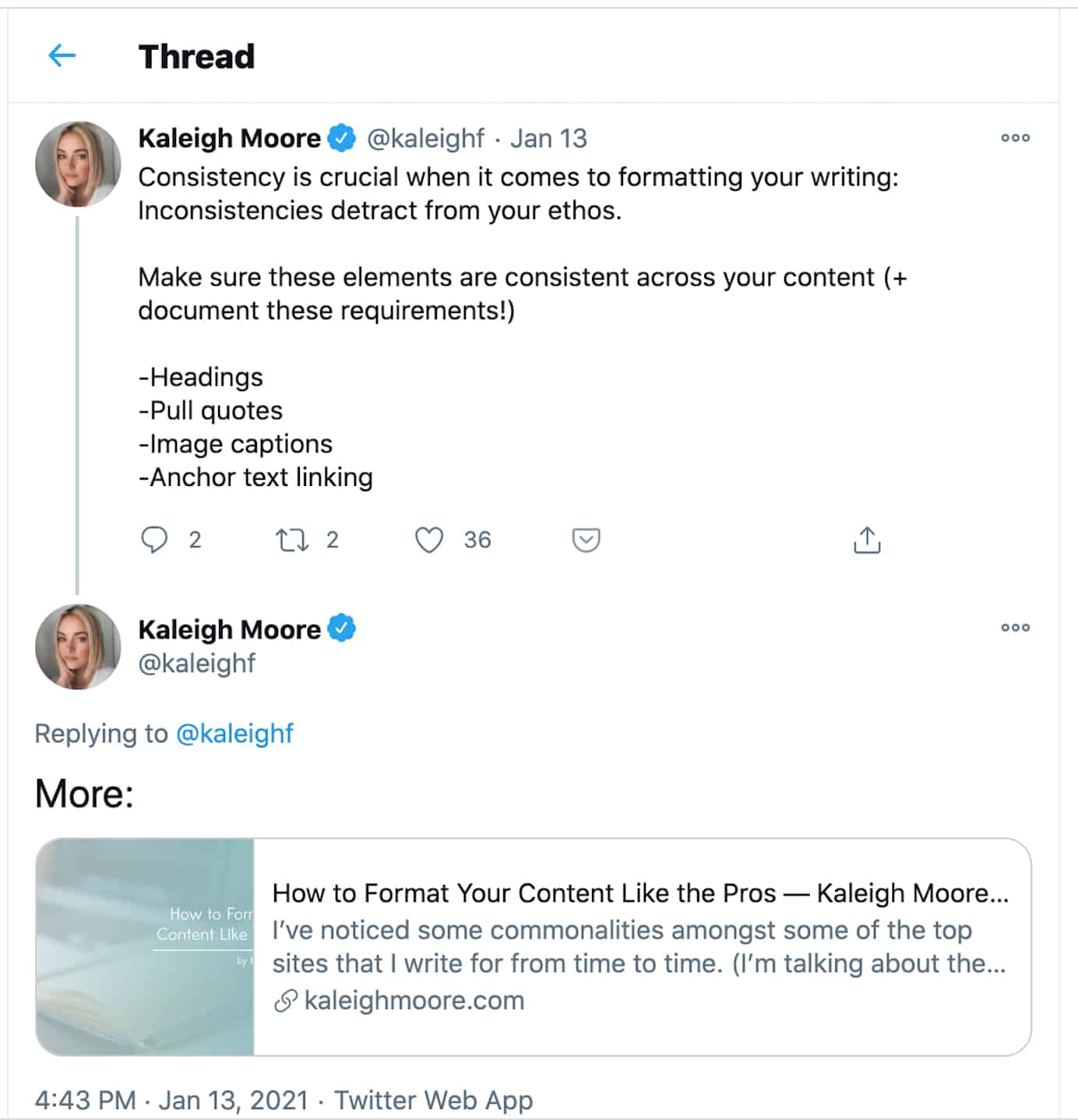
X (formerly Twitter) threads offer the best opportunities to generate traffic. Break your big post into tweetable advice and share it on your profile with a link in the last post:
3. How To Increase Website Traffic Using Pinterest
To use Pinterest for traffic, great visuals are key. Make sure that every blog post you publish comes with a high-quality Pinterest image.

Then pin it to your personal boards and re-share it to relevant group boards.
4. How To Increase Website Traffic Through Instagram
Instagram doesn’t offer many linking opportunities. So you need to be strategic:
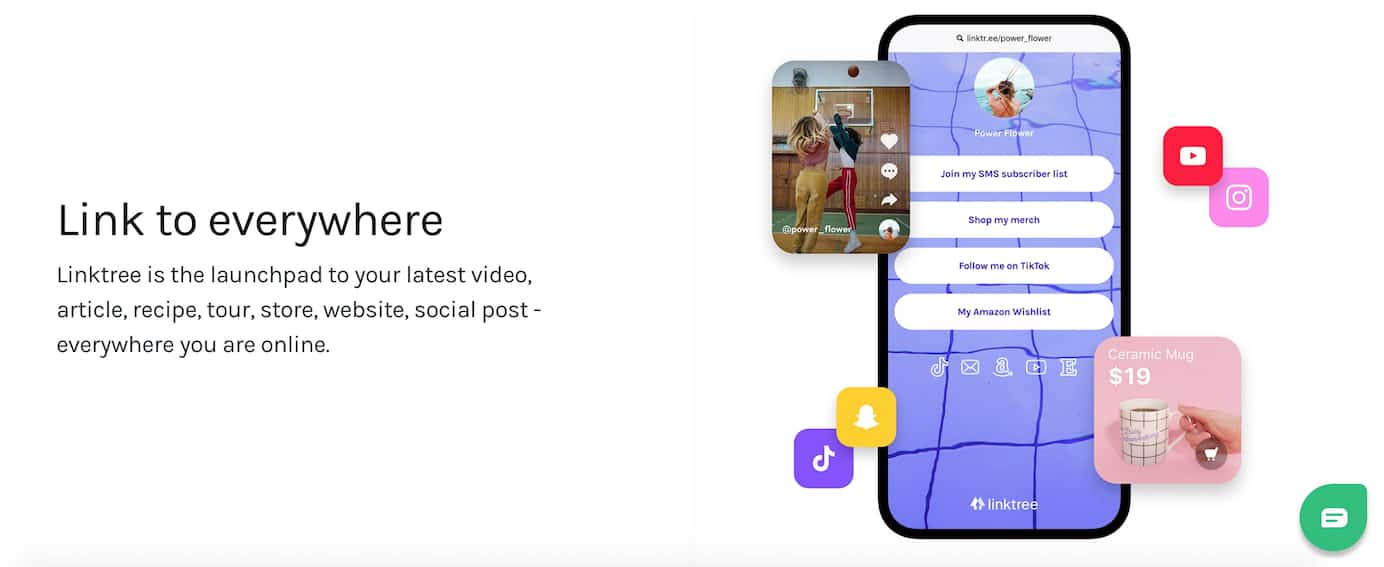
- On your profile: Use a social media reference landing page builder like Linktree to include a collection of links.
- On stories: Use the link sticker to share direct links to your website (available to all accounts).
- In Reels: Instagram Reels continue to dominate engagement, offering excellent opportunities to drive traffic through compelling short-form video content.
5. How To Increase Website Traffic Through LinkedIn
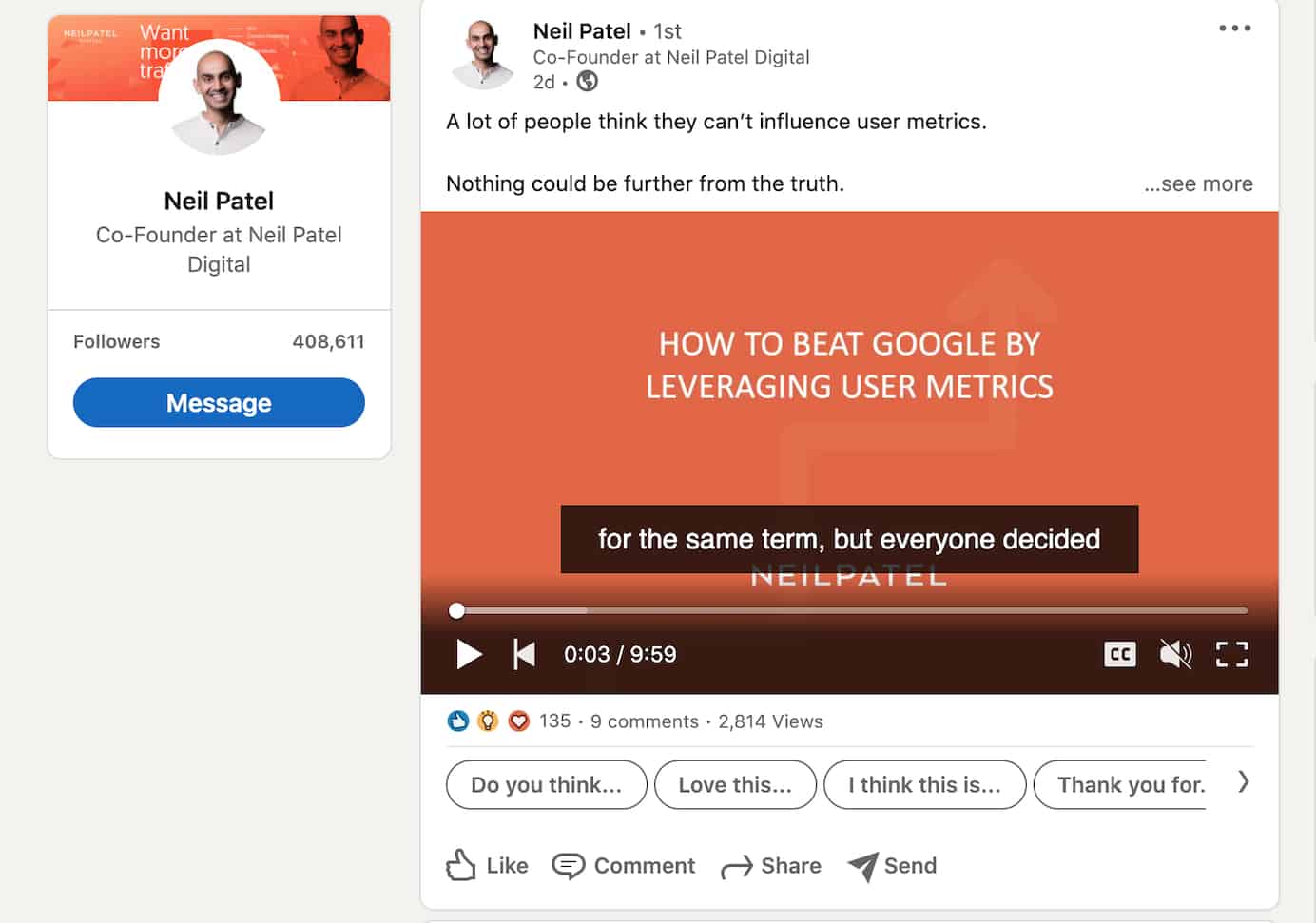
LinkedIn is the place to be for promoting B2B content. To connect with other professionals you can:
- Publish status updates (with links, text, and videos)
- Share relevant content in LinkedIn groups
- Publish thought leadership articles
- Post LinkedIn newsletters to reach your subscriber base directly
All of the above help you build your brand, plus drive traffic back to your website.
6. How To Increase Website Traffic Through Reddit
To get a shot at earning traffic from Reddit, you first need to build your account karma by contributing to community discussions.
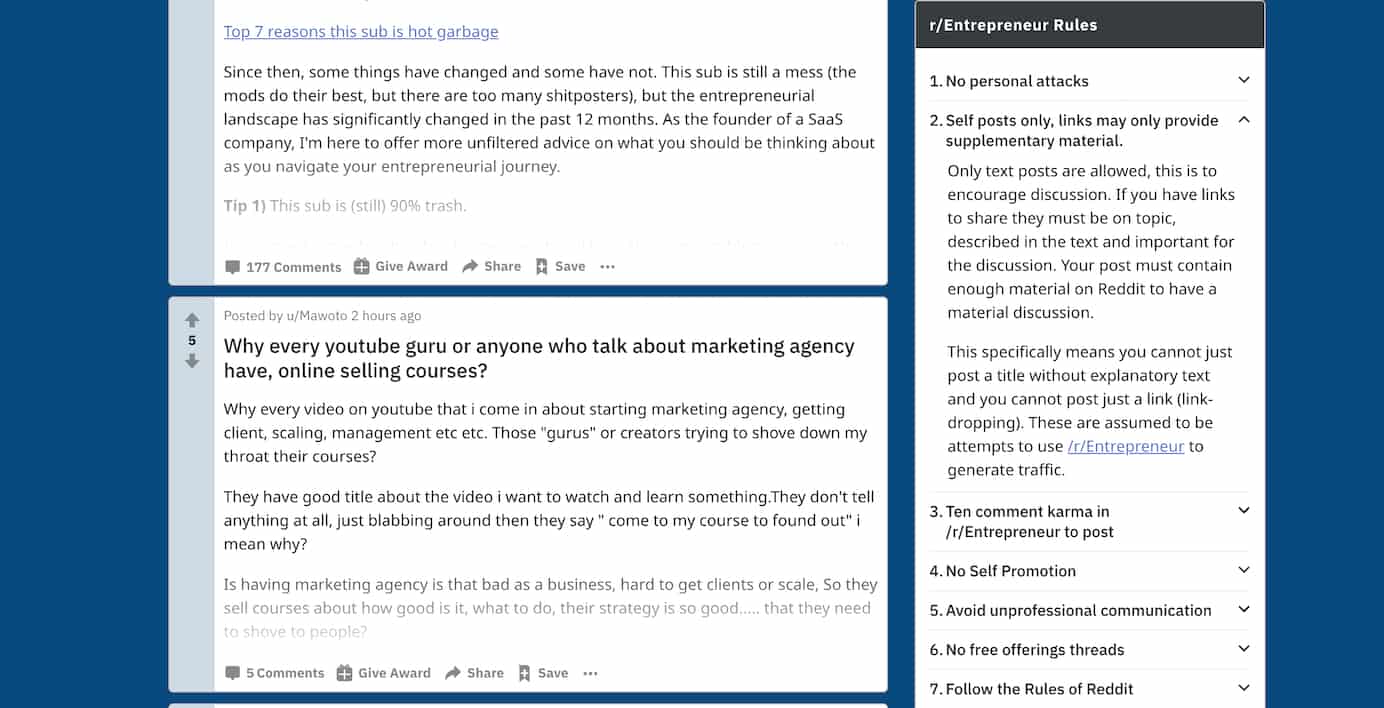
Follow Redditiquette correctly and do not try to sneak in promo content unless it’s allowed by the subreddit rules.
7. How To Increase Website Traffic Through TikTok
TikTok has grown into one of the most powerful platforms for driving website traffic, especially for reaching younger audiences. While you can’t place clickable links in video descriptions, there are several ways to funnel viewers to your site:
- Link in bio: Add your website URL to your TikTok profile and mention it in your videos.
- Create educational content: Short, helpful tips related to your niche perform well and build trust that leads viewers to seek out your website.
- TikTok SEO: Users increasingly search for information directly on TikTok. Optimize your video titles and descriptions with relevant keywords.
- TikTok Ads: The platform’s ad system lets you run traffic campaigns with a direct link to your website.
Even a single viral TikTok video can drive a significant spike in website visits, so it’s worth experimenting with the platform.
8. Organize Contests and Giveaways
Everyone loves a freebie, especially on social media. To grow your following and drive brand awareness, host a simple contest or giveaway for your audience.
For example, you can:
- Ask to tag X friends
- Request to re-share post X times
- Prompt to use your branded hashtag
- Create and publish submissions and @you

How To Increase Website Traffic With Influencer Marketing
The global influencer marketing industry reached $32.55 billion in 2025 – with US brands alone spending more than $10.5 billion – and is projected to surpass $34 billion globally in 2026, reflecting the proven ROI that brands continue to see from influencer partnerships.
If you want to jump on this bandwagon, here’s where to begin:
1. Send Free Samples To Influencers
In influencer marketing, the standard rules of PR apply.
If you want to get some buzz, create a mailing list of influencers and share free product samples or free access to services with them. Most will likely share their experience with their followers for free.

Alternatively, you can pay for a sponsored product placement or mention. But this will require a bit more courting.
2. Reach Out To Bloggers and Press (Outreach)
If you don’t want to give away products or broker advertising deals, you can try organic outreach.
Create a database of people who regularly write about your niche (journalists, bloggers, other businesses) and start building a relationship with them.
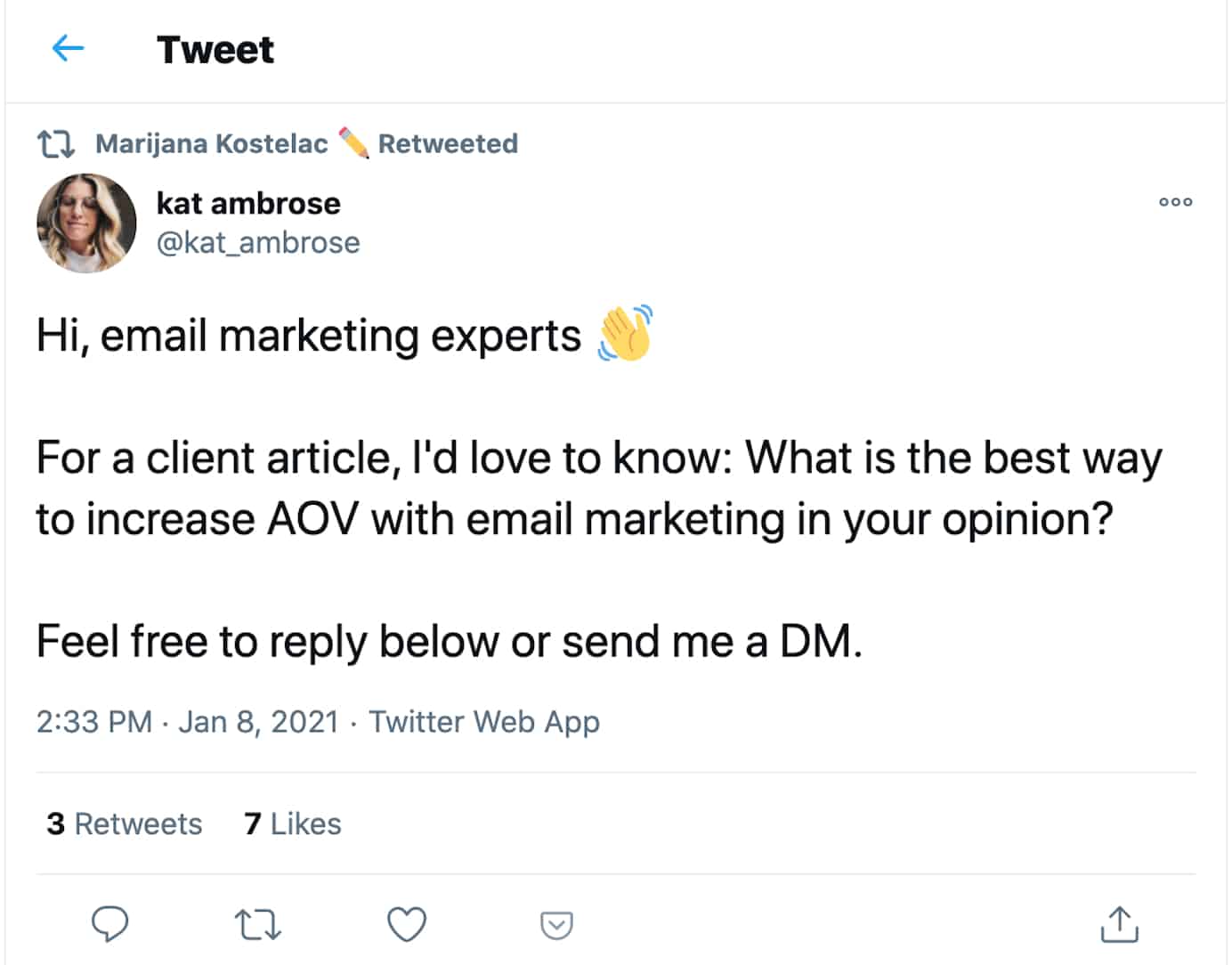
X (formerly Twitter) is a particularly great network to pitch ideas to publishers or discover quote requests.
3. Write a Blog Post Featuring Influencers and Their Advice (Expert Roundups)
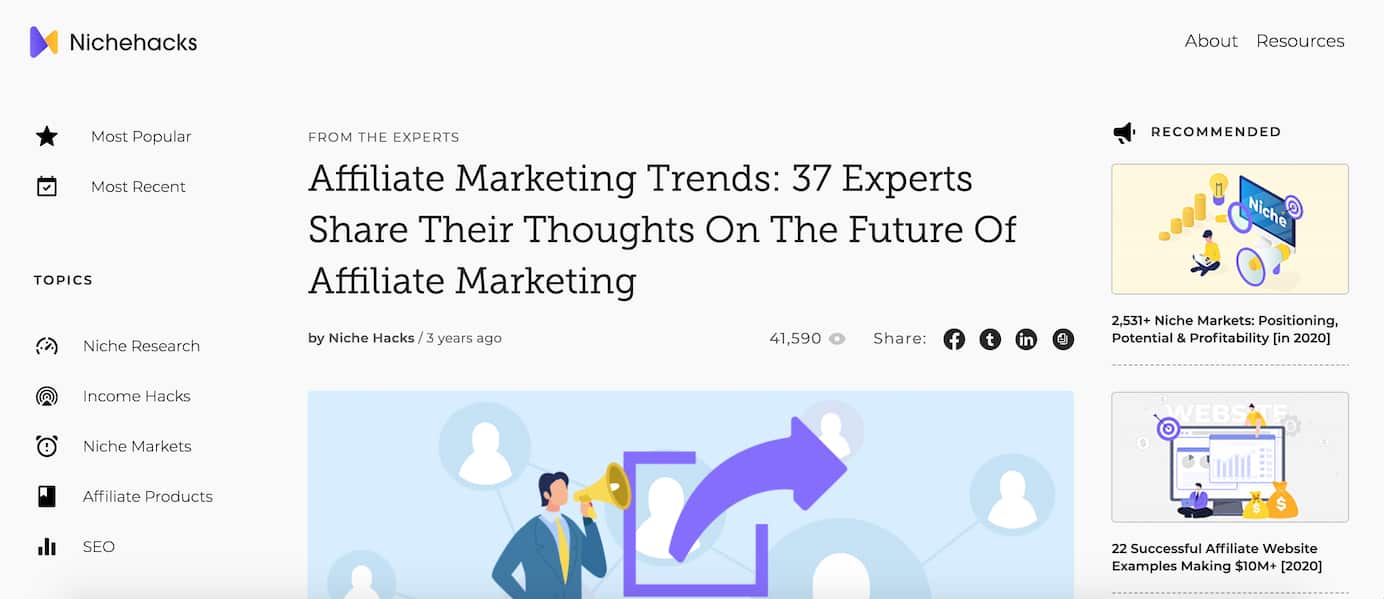
Once you have nurtured a couple of good connections, ask them to contribute to your blog. Set a theme, pose a question, and collect answers from your expert panel. Then format all the replies into an expert round-up post.
Ask all the participants to share it on social networks:
How To Increase Website Traffic Using Online Communities
Communities foster a “network effect.” A post gets shared in one place, then picked up and re-read by others, reaching more and more eyeballs with each new vote or share.
So if you want to create viral content, you need to become active in different online communities:
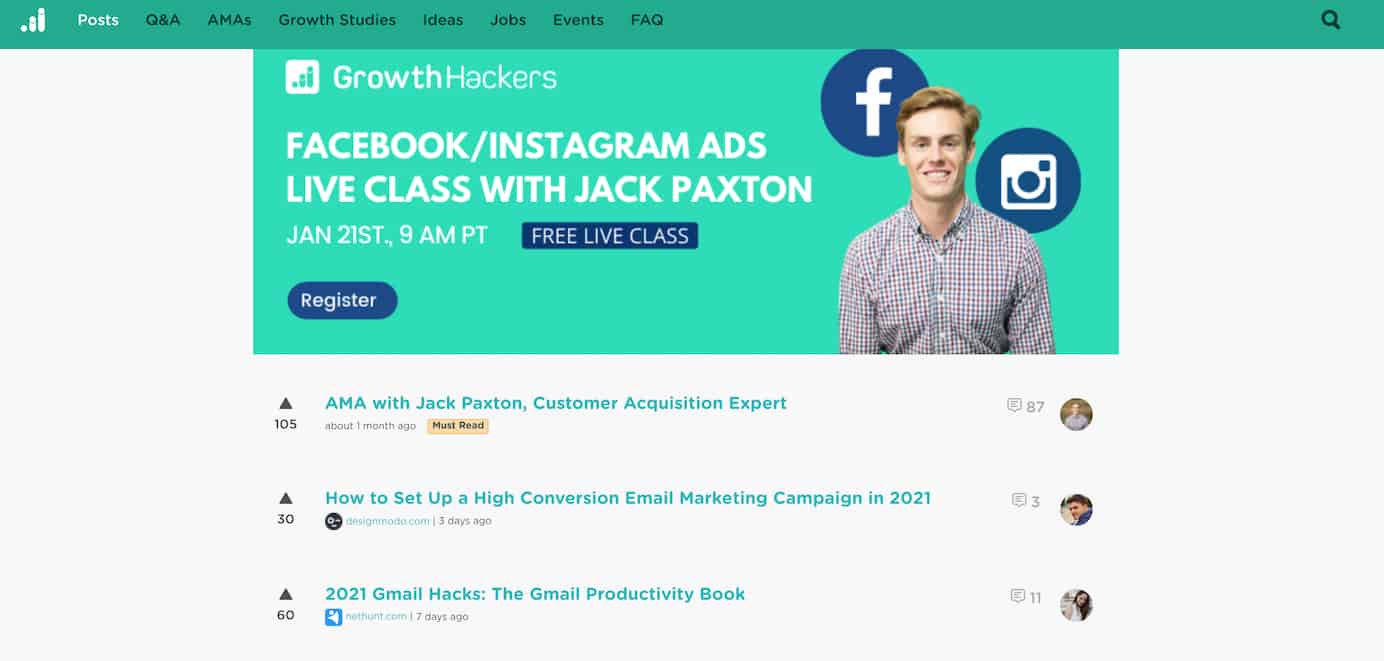
List of Online Communities You Can Use for Promotion
Apart from Facebook and LinkedIn groups, and subreddits, you can also promote your content in these niche communities:
- Discord (find servers related to your niche)
- Hacker News
- StackExchange
- Quora
- Threads
- Moz community
Best Free Tools for Increasing Website Traffic
To track and improve your website traffic effectively, you’ll want to use a combination of free tools. Here are the most useful ones:
- Google Analytics: Track visitor numbers, traffic sources, user behavior, and conversion data. The essential tool for understanding what’s working on your site.
- Google Search Console: See which queries drive impressions and clicks, monitor indexing issues, and identify your best-performing pages in search.
- Google PageSpeed Insights: Test your page speed and Core Web Vitals, and get specific recommendations for improvement.
- Google Rich Results Test: Check whether your structured data is valid and see which rich result types your pages are eligible for.
- Semrush (free tier): Perform keyword research, run site audits, and analyze competitors. The free plan offers limited daily queries.
- Ahrefs Webmaster Tools (free): Audit your own site for SEO issues and view your backlink profile at no cost.
- SimilarWeb (free tier): Estimate competitor traffic, identify top referral sources, and benchmark your performance against other sites in your niche.
Using these tools together gives you a clear picture of where your traffic is coming from, what’s working, and where to focus your efforts next.